
How Automated Trading is Transforming Financial Markets
Cryptocurrency Market Integrity and Ethics
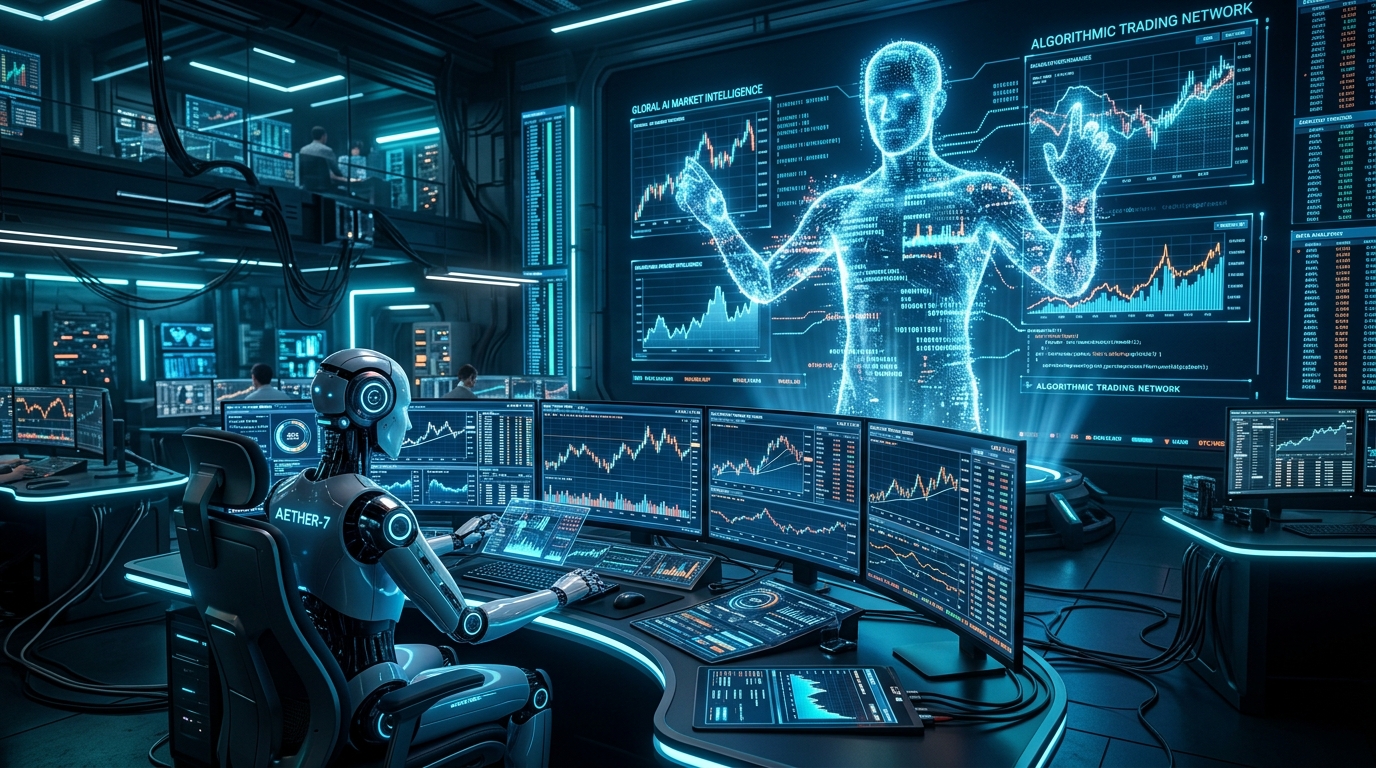
The rise of automation within financial markets is fundamentally altering trading practices. Originating from algorithmic trading, the evolution into intricate machine-learning models has made automated systems vital for both institutional and retail traders. In this article, we will delve into how automated trading is reshaping financial markets, examining its core technologies, strategies, advantages, challenges, and the ethical implications of this transformation.
Understanding Automated Trading
Automated trading involves deploying computer systems to carry out trades based on predefined algorithms without human input. These systems scrutinise market data instantaneously, making decisions with a precision and speed beyond human capabilities. The journey of automated trading began in the late 1970s with basic rule-based frameworks, evolving into advanced platforms that leverage artificial intelligence (AI) and machine learning.
Technology's Impact on Automated Trading
The evolution of automated trading has been significantly shaped by technological advancements. With the integration of machine learning and artificial intelligence, trading platforms can now evolve and refine their strategies over time, adeptly recognising patterns and enhancing approaches. High-frequency trading (HFT) methods, which can conduct thousands of transactions within seconds, have transformed market dynamics by capitalising on minor price variations. Moreover, the emergence of cloud technology, extensive data analysis, and enhanced network systems has empowered traders to implement these sophisticated algorithms worldwide, allowing for continuous market engagement with negligible delays.
Understanding Automated Trading Systems
Automated trading systems are constructed from algorithms—comprehensive sets of directives and protocols developed in various coding languages. These systems can vary widely, from straightforward rule-based tactics, such as executing a purchase when a share reaches a specific threshold, to intricate, AI-enhanced frameworks that analyse past performance to forecast upcoming price trends.
Categories of automated trading systems comprise:
- Rule-Based Trading Systems: Carry out trades according to clearly defined, pre-established parameters.
- AI-Powered Mechanisms: Evolve and refine, gaining insights from extensive data analysis over time.
- Integrated Systems: Merge traditional rule-based tactics with advanced machine learning for superior outcomes.
- blog_three_question_4.subtitle_4: blog_three_question_4.desc_4
Varieties of Automated Trading Approaches
Each approach is built on intricate algorithms, necessitating meticulous tuning and risk oversight.
Automated trading employs various strategies tailored to market dynamics and investor objectives. Notable methods include:
- Arbitrage Techniques: These take advantage of price discrepancies between different markets or exchanges.
- Momentum Trading Approaches: Emphasise capitalising on prevailing market trends, purchasing as prices ascend and liquidating as they decline.
- Mean Reversion Approaches: Leverage the expectation that market prices will return to their average following notable fluctuations.
- Strategies for Market Making: Gain from the difference between buying and selling prices by executing concurrent buy and sell orders.
Advantages of Automated Trading
Automated trading systems provide numerous benefits compared to traditional trading methods. Some key advantages are:
Enhanced efficiency, reduced emotional decision-making, and the ability to trade around the clock.
- Speed and Precision: Advanced algorithms can perform trades at a pace unmatched by human traders, seizing fleeting market opportunities with remarkable agility.
- Minimisation of Human Mistakes: Automated trading platforms remove the influence of emotions and biases, fostering a more reliable and steady trading performance.
- Round-the-Clock Market Availability: These innovative systems function non-stop, guaranteeing that traders capitalise on every potential market movement without delay.
- Strategy Testing and Enhancement: Traders can refine their approaches by simulating them against past market data, enhancing effectiveness while reducing potential losses.
Dangers and Obstacles of Automated Trading
Maximising Your Crypto Trading Potential Engaging with cryptocurrency trading through Capiturex provides numerous advantages for both novice and experienced traders. The platform offers access to a diverse range of digital assets, enabling users to build a well-rounded portfolio. With real-time market data and advanced analytical tools, traders can make informed decisions swiftly, capitalising on market trends. Moreover, Capiturex prioritises user experience, featuring an intuitive interface that simplifies the trading process. This allows users to execute trades efficiently, whether on desktop or mobile devices. The platform also supports automated trading strategies, empowering users to optimise their trading activities even when they are not actively monitoring the markets. Additionally, by leveraging educational resources and expert insights provided by Capiturex, traders can enhance their knowledge and skills, leading to more strategic trading approaches. This commitment to user education fosters a supportive community where traders can thrive and achieve their financial goals in the dynamic world of cryptocurrency.
Automated trading presents numerous advantages, yet it also carries inherent risks. Significant challenges include:
- Risks from Market Fluctuations: Automated trading systems can amplify market fluctuations, particularly during unexpected downturns or rapid sell-offs, where extensive liquidation may spiral beyond control.
- Rapid Sell-Offs: In a notable incident in 2010, an algorithmic mishap triggered a swift decline in the market, erasing billions in mere moments.
- Systemic Glitches: Failures in technology, whether through bugs, outages, or coding mistakes, can lead to considerable financial repercussions.
- blog_three_question_7.subtitle_4: blog_three_question_7.desc_4
The Influence of Automated Trading on International Financial Markets
The advent of automated trading has revolutionised market dynamics, enhancing both liquidity and operational efficiency. By facilitating rapid and frequent transactions, overall market fluidity has seen remarkable improvement. Nevertheless, this shift has diminished the prominence of human traders, as algorithms increasingly undertake responsibilities that were traditionally managed by people, transforming the financial employment landscape.
Automated Trading Across Various Asset Classes
Automated trading platforms exhibit flexibility, functioning effectively in multiple markets, such as:
- Equities: Algorithmic trading in stocks stands as one of the most sophisticated practices, embraced by both institutional investors and individual traders seeking to optimise their strategies.
- Forex: Automated trading systems have revolutionised the foreign exchange landscape, enabling swift responses to global developments and economic indicators.
- Commodities: The commodities sector, encompassing everything from precious metals to energy resources, thrives on automated strategies that exploit market trends and price discrepancies.
- Cryptocurrencies: Given their inherent volatility and round-the-clock trading, cryptocurrency markets are ideally suited for automated systems that can swiftly adapt to fluctuations.
Regulatory Challenges and Considerations
The regulation of automated trading plays a vital role in maintaining market integrity. Authorities such as the FCA have established guidelines to mitigate risks and promote transparency. Yet, as AI technologies evolve, regulators encounter difficulties in keeping pace with these advancements. Moreover, ethical dilemmas emerge, especially regarding the potential for algorithmic manipulation within markets.
How Institutional Investors Utilise Automated Trading
Institutional investors, particularly hedge funds and proprietary trading companies, extensively utilise automated trading systems to secure competitive advantages. Quantitative analysts, often referred to as 'quants', create intricate models that harness big data, artificial intelligence, and machine learning to surpass conventional trading techniques. A notable example is the success of hedge funds like the Medallion Fund from Renaissance Technologies, which heavily relies on automation.
Automated Trading Opportunities for Retail Investors
Recent innovations have made automated trading accessible to retail investors. Platforms such as MetaTrader and TradeStation facilitate seamless access to trading bots, while social trading networks enable users to replicate the strategies of successful traders. Additionally, retail investors can either purchase or create bespoke trading bots to streamline their trading approaches.
The Evolution of Automated Trading
As artificial intelligence and machine learning advance, the complexity of automated trading platforms will also increase. The emergence of quantum computing, while still developing, promises to transform trading by enabling the analysis of vast datasets at unprecedented speeds. In the coming years, we anticipate that automation will take on an even larger role within financial markets, significantly diminishing the reliance on human traders.
Ethical Implications of Automated Trading
Ensuring transparency is vital for maintaining fairness in automated trading practices. It is essential that algorithms are crafted to avert market manipulation and guarantee equal access to trading opportunities. Striking a balance between the advantages of automation and the necessity for ethical conduct in the markets remains a persistent challenge for regulators and participants alike.
Insights from Automated Trading Case Studies
- The 2010 Flash Crash: This incident underscored the inherent risks associated with automated trading systems, as algorithms instigated significant sell-offs that resulted in a rapid market downturn within mere minutes.
- Success Narratives: Investment firms such as Man Group and AHL have harnessed automation to consistently exceed market expectations, establishing new standards in finance.
Common Inquiries (FAQs)
- 1. What does automated trading entail? Automated trading involves employing algorithms to carry out trades autonomously, eliminating the need for human decision-making.
- 2. In what ways is high-frequency trading distinct from conventional trading? Algorithmic trading executes a multitude of trades in mere seconds, taking advantage of minute fluctuations in market prices.
- 3. Is automated trading completely free of risk? Certainly not; although automated trading mitigates human error, it still carries risks like technical glitches and unpredictable market shifts.
- 4. Are retail investors able to engage in automated trading? Absolutely, various platforms enable retail investors to either develop or implement automated trading strategies.
- 5. In what ways do regulators oversee automated trading activities? Regulatory authorities employ a blend of monitoring mechanisms, including instantaneous surveillance systems and structured regulatory frameworks.
- 6. Which technologies are essential for automated trading? Essential technologies encompass artificial intelligence, machine learning, cloud technology, and high-speed internet connectivity.
Conclusion: The Transforming Landscape of Financial Markets through Automation
Automated trading is reshaping financial markets, delivering enhanced efficiency, quicker trade execution, and more advanced strategies. As AI, machine learning, and quantum computing progress, the future of automated trading will hinge on its capacity to innovate while ensuring market integrity.