
How Automated Trading is Transforming Financial Markets
Crypto Market Integrity and Ethics
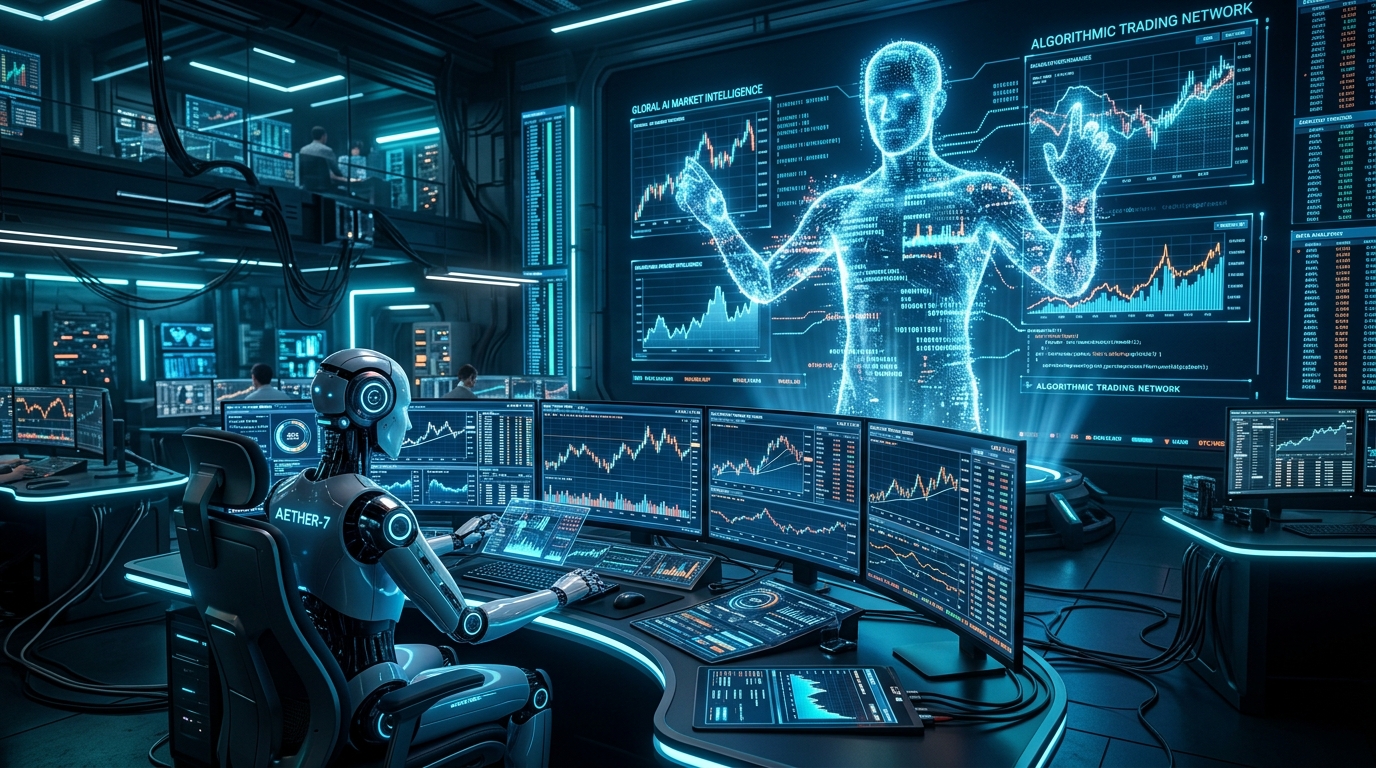
वित्तीय बाजारों में स्वचालन तेजी से व्यापार के संचालन के तरीके को बदल रहा है। एल्गोरिदमिक ट्रेडिंग के मूल से लेकर जटिल मशीन-लर्निंग मॉडल के विकास तक, स्वचालित व्यापार प्रणाली संस्थागत और खुदरा व्यापारियों दोनों के लिए अनिवार्य बन गई हैं। इस लेख में, हम देखेंगे कि कैसे स्वचालित व्यापार वित्तीय बाजारों को बदल रहा है, इसकी प्रमुख तकनीकें, रणनीतियाँ, लाभ, चुनौतियाँ, और इस क्रांति के चारों ओर नैतिक विचार।
स्वचालित व्यापार का परिचय
स्वचालित व्यापार का तात्पर्य कंप्यूटर सिस्टम के उपयोग से है जो पूर्व-प्रोग्राम्ड एल्गोरिदम के आधार पर मानव हस्तक्षेप के बिना व्यापार निष्पादित करता है। ये सिस्टम वास्तविक समय में बाजार डेटा का विश्लेषण करते हैं और ऐसे निर्णय लेते हैं जो मानव व्यापारियों की तुलना में अधिक गति और सटीकता के साथ होते हैं। स्वचालित व्यापार का इतिहास 1970 के दशक के अंत में सरल नियम-आधारित प्रणालियों से शुरू हुआ था, जो अब कृत्रिम बुद्धिमत्ता (AI) और मशीन लर्निंग को शामिल करने वाले जटिल प्लेटफार्मों में विकसित हो चुका है।
स्वचालित व्यापार में प्रौद्योगिकी की भूमिका
The evolution of automated trading has been significantly fueled by advancements in technology. With the integration of artificial intelligence and machine learning, trading platforms are now capable of evolving continuously, deciphering complex patterns, and refining their strategies. The introduction of high-frequency trading (HFT) has transformed the landscape, allowing for rapid execution of trades that capitalize on tiny market fluctuations. Additionally, the advent of cloud computing, extensive data analytics, and enhanced network capabilities empowers traders to implement these sophisticated algorithms worldwide, ensuring round-the-clock access to global financial markets with minimal delays.
Understanding the Mechanism Behind Automated Trading Systems
Automated trading systems operate on algorithms—structured sets of instructions crafted in various programming languages. These systems can vary from basic strategies that trigger trades upon reaching specific price thresholds to intricate AI-powered models that analyze past data to forecast future price trends.
Different Variants of Automated Trading Systems Include:
- Criteria-Based Trading Systems: Initiate trades based on established, specific conditions.
- AI-Enabled Trading Solutions: Evolve and refine their capabilities by processing vast amounts of market data continuously.
- Integrated Trading Approaches: Merge traditional strategies with AI insights for superior trading outcomes.
- blog_three_question_4.subtitle_4: blog_three_question_4.desc_4
Varieties of Automated Trading Techniques
Every technique is built on advanced algorithms that necessitate precise tuning and thorough risk assessment.
Automated trading employs various strategies tailored to market dynamics and investment objectives. Some widely recognized methods are:
- Arbitrage Techniques: These techniques capitalize on price disparities found between different markets or trading platforms.
- Momentum Trading Strategies: These strategies hinge on capturing market trends, purchasing assets during upward movements and liquidating them during downturns.
- Mean Reversion Techniques: Leverage the expectation that asset prices will return to their average values following substantial fluctuations.
- Strategies for Market Making: Earn from the difference between buying and selling prices by executing simultaneous orders.
Advantages of Automated Trading Systems
Automated trading systems bring numerous benefits compared to traditional methods. Some of the primary advantages are:
The efficiency of automated trading is unmatched, providing a range of benefits such as:
- गति और दक्षता: कंप्यूटर व्यापार को मानवों से कहीं अधिक तेजी से निष्पादित कर सकते हैं, अवसरों का लाभ उठाते हुए जो जल्दी गायब हो सकते हैं।
- मानव त्रुटियों में कमी: स्वचालित प्रणाली भावनात्मक निर्णय लेने और संज्ञानात्मक पूर्वाग्रहों को समाप्त करती है, जिससे परिणाम अधिक स्थिर होते हैं।
- 24/7 बाजार पहुंच: ये प्रणाली निरंतर कार्य कर सकती हैं, यह सुनिश्चित करते हुए कि व्यापारी कभी भी बाजार के अवसर को नहीं चूकें।
- Backtesting and Strategy Refinement: Traders can utilize historical market data to evaluate their strategies, enhancing performance while effectively mitigating potential risks.
Challenges and Risks of Automated Trading Systems
Crypto trading offers a unique opportunity for investors in India to diversify their portfolios and tap into the potential of digital assets. With platforms like Capiturex, users can access a wide range of cryptocurrencies, allowing for strategic investment choices. The ease of trading enables both seasoned investors and newcomers to participate in the market. Moreover, the transparency and security provided by blockchain technology ensure that transactions are reliable and efficient. As the crypto landscape continues to evolve, leveraging these benefits can lead to significant financial growth and innovation in investment strategies.
Automated trading presents numerous advantages, but it also carries inherent risks. Key challenges include:
- Risks Associated with Market Fluctuations: Automated trading systems can amplify market fluctuations, particularly during unexpected events or rapid sell-offs, leading to uncontrollable price drops.
- Rapid Market Declines: In a notable incident in 2010, an automated trading algorithm caused a swift market downturn, erasing vast sums within moments.
- Systemic Errors: Technical glitches, system failures, or programming mistakes can lead to considerable monetary losses for traders.
- blog_three_question_7.subtitle_4: blog_three_question_7.desc_4
How Automated Trading Shapes Financial Markets in India
स्वचालित व्यापार ने बाजार की तरलता और दक्षता में महत्वपूर्ण वृद्धि की है। तेजी से और अधिक बार व्यापार करने की क्षमता से विभिन्न संपत्ति वर्गों में तरलता में सुधार हुआ है। हालांकि, मानव व्यापारियों की भूमिका कम होती जा रही है, क्योंकि मशीनें उन कार्यों को संभाल रही हैं जो पहले मैन्युअल रूप से किए जाते थे, जिससे वित्तीय क्षेत्र में रोजगार का स्वरूप बदल रहा है।
विभिन्न संपत्ति वर्गों में स्वचालित व्यापार
स्वचालित व्यापार प्रणाली बहुपरकारी हैं और विभिन्न बाजारों में काम करती हैं, जिनमें शामिल हैं:
- शेयर: शेयर व्यापार एल्गोरिदम सबसे विकसित में से एक हैं, जिसका उपयोग हेज फंड और व्यक्तिगत व्यापारियों दोनों द्वारा किया जाता है।
- विदेशी मुद्रा: Automated trading systems have revolutionized the cryptocurrency landscape in India, swiftly adapting to market trends and global financial news.
- Commodities: The commodities sector, ranging from precious metals to energy resources, thrives on algorithmic trading strategies that capitalize on price fluctuations.
- Cryptocurrencies: With their inherent volatility and round-the-clock trading opportunities, cryptocurrency markets are ideally suited for automated trading solutions that react instantly to shifts.
Navigating Regulatory Hurdles and Insights
The regulation of automated trading is vital for maintaining the integrity of financial markets in India. Authorities such as SEBI are tasked with formulating guidelines to mitigate risks and enhance transparency. As AI technology evolves, regulators must navigate the complexities of these systems, ensuring ethical practices that prevent algorithmic market manipulation while fostering innovation.
How Institutional Investors Are Harnessing Automated Trading
Institutional investors in India, including mutual funds and proprietary trading firms, are increasingly adopting automated trading strategies to secure competitive advantages. Quantitative analysts, or 'quants,' create intricate algorithms that leverage vast datasets, AI, and machine learning to achieve superior results compared to conventional trading approaches. Many successful Indian hedge funds owe their performance to these cutting-edge automated systems.
Automated Trading Solutions for Retail Investors
Recent technological strides have opened up automated trading to retail investors across India. User-friendly platforms like Zerodha and Upstox provide access to trading bots, while social trading networks enable users to replicate the strategies of top traders. Retail investors can also opt for bespoke trading bots tailored to their unique strategies, enhancing their trading potential.
Envisioning the Future of Automated Trading
As artificial intelligence and machine learning advance, the capabilities of automated trading platforms will also progress. The nascent field of quantum computing promises to transform trading by analyzing vast datasets at unprecedented speeds. In the coming years, automation is anticipated to permeate various facets of the financial markets, thereby diminishing the reliance on human traders.
Ethical Dimensions of Automated Trading Practices
Transparency plays a pivotal role in ensuring that automated trading remains just and inclusive. It is essential to develop algorithms that avert market manipulation and guarantee fair access to trading opportunities. Striking a balance between the advantages of automation and the necessity for ethical conduct in the markets presents an ongoing challenge for both authorities and traders.
Insights from Automated Trading Case Studies
- The 2010 Flash Crash: This incident underscored the risks associated with automated trading systems, as algorithms instigated significant sell-offs that led to a dramatic market decline within minutes.
- Success Narratives: Investment firms such as Quant Capital and Algo Traders have harnessed the power of AI-driven strategies to consistently eclipse market performance, establishing new standards in the financial realm.
Common Queries (FAQs)
- 1. What is algorithmic trading? Algorithmic trading involves utilizing sophisticated algorithms to perform trades automatically, minimizing the need for human oversight.
- 2. In what ways does high-frequency trading differ from traditional trading? High-frequency trading entails executing numerous transactions in mere seconds, leveraging minor fluctuations in asset prices for profit.
- 3. Is automated trading devoid of risks? No, although automated trading minimizes human error, it is not without risks like technical glitches and unpredictable market shifts.
- 4. Are retail investors permitted to engage in automated trading? Absolutely, many platforms enable retail investors to develop or implement automated trading strategies effectively.
- 5. How do authorities oversee automated trading activities? Regulatory authorities implement a variety of oversight mechanisms, utilizing advanced monitoring technologies and established regulatory frameworks.
- 6. Which technologies are essential for automated trading systems? Essential technologies encompass artificial intelligence, machine learning algorithms, cloud infrastructure, and high-speed connectivity.
Conclusion: The Dynamic Evolution of Financial Markets through Automation
The rise of automated trading is reshaping financial markets, enhancing efficiency, accelerating trade execution, and enabling complex strategies. As advancements in AI, machine learning, and quantum computing progress, the future of automated trading will hinge on its capacity to innovate while ensuring market integrity.